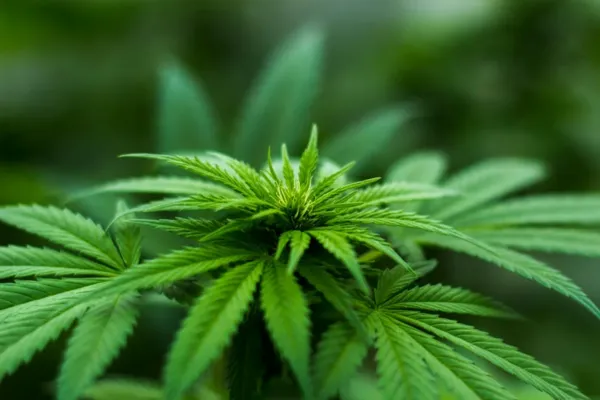
Ganja, also known as Cannabis or Marijuana, is often perceived as a harmless recreational drug. However, for a significant number of users, it can lead to Cannabis Use Disorder—a state of addiction where the person cannot stop using the drug even though it causes health and social problems in their life. If cannabis use is no longer a choice but a necessity, and it's affecting your motivation, relationships, or mental health, professional help can guide you back to a life of clarity and control.
Understanding Cannabis Use Disorder Addiction to cannabis is characterized by a dependency on the drug to feel normal or to cope with daily life. Long-term, heavy use can alter the brain's reward system, leading to withdrawal symptoms when trying to quit and a compulsive need to continue using. This can interfere with work, school, and personal relationships.
Causes and Risk Factors
- Early Start: Beginning to use cannabis in adolescence significantly increases the risk of addiction.
- High Potency: The increasing THC content in modern cannabis can accelerate the development of tolerance and dependence.
- Mental Health: Individuals with anxiety, depression, or other mental health conditions may use cannabis to self-medicate, creating a cycle of dependency.
- Genetics and Environment: A family history of addiction and social environments where use is normalized can increase risk.
Recognizing the Signs: Symptoms of Cannabis Addiction
- Psychological Symptoms: Difficulty quitting, intense cravings, using more than intended, and continuing use despite negative consequences.
- Behavioural Symptoms: Loss of interest in previously enjoyed activities, neglecting responsibilities, and spending a great deal of time obtaining and using cannabis.
- Cognitive Symptoms: Problems with memory, concentration, and decision-making.
- Physical Withdrawal Symptoms: When not using, individuals may experience irritability, anxiety, insomnia, decreased appetite, and restlessness.
Paths to Recovery: Treatment for Cannabis Addiction Quitting cannabis is achievable with the right support. Treatment focuses on behavioural therapies and support systems.
- Psychotherapy: Cognitive Behavioural Therapy (CBT) helps identify and change problematic thought patterns and behaviours. Motivational Enhancement Therapy helps build the motivation to change.
- Contingency Management: This approach uses incentives to reward abstinence.
- Support Groups: Sharing experiences with others who understand the struggle can be incredibly helpful.
- Addressing Co-occurring Disorders: Treating any underlying anxiety or depression is crucial for long-term success.
How We Can Help at Ray Of Hope (Asha Ra Kiran) At Ray Of Hope in Bhubaneswar, we recognize that cannabis addiction is a real and challenging issue. We offer a supportive and practical approach to help you quit.
- Personalized Assessment: We take the time to understand your patterns of use, triggers, and personal goals for quitting.
- Evidence-Based Counseling: Our therapists use proven techniques like CBT to equip you with effective coping strategies to manage cravings and avoid relapse.
- Dual Diagnosis Treatment: We identify and treat any underlying mental health conditions, such as anxiety or depression, that may be contributing to your cannabis use.
- A Non-Judgmental Space: We provide a confidential environment where you can openly discuss your challenges without fear of stigma.
If you are ready to regain control and live a life free from dependency on Ganja, we are here to help. Contact Ray Of Hope Psychiatric Care in Bhubaneswar to schedule a consultation and start your journey toward a clearer future.