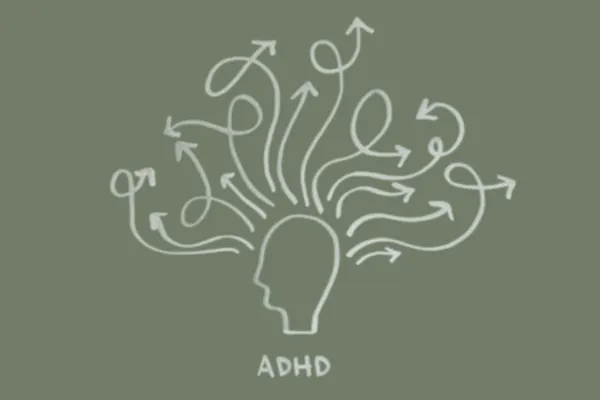
Attention-Deficit/Hyperactivity Disorder (ADHD) is a neurodevelopmental condition characterized by persistent patterns of inattention, hyperactivity, and impulsivity that significantly interfere with daily functioning and development. While often diagnosed in childhood, ADHD frequently continues into adolescence and adulthood, impacting various aspects of a person's life, including academic performance, occupational success, and interpersonal relationships. From a psychiatric standpoint, a comprehensive understanding of ADHD's multifaceted nature is crucial for effective diagnosis, treatment, and long-term management.
What is ADHD?
ADHD is not merely a "behavioral problem" or a lack of discipline. It's a complex disorder rooted in differences in brain structure and function, particularly in areas responsible for executive functions like planning, attention, working memory, and impulse control. Individuals with ADHD experience challenges in regulating their attention, controlling their impulses, and managing their activity levels in a manner appropriate for their age.
Unraveling the Causes
The exact cause of ADHD is not fully understood, but research points to a combination of genetic, neurobiological, and environmental factors:
- Genetic Predisposition: ADHD has a strong genetic component, often running in families. While no single gene is responsible, multiple genes are believed to contribute to an increased vulnerability.
- Neurobiological Factors: Studies using brain imaging have shown structural and functional differences in the brains of individuals with ADHD. These include variations in the size and activity of certain brain regions (like the prefrontal cortex, basal ganglia, and anterior cingulate cortex) and imbalances in neurotransmitters, particularly dopamine and norepinephrine, which play key roles in attention, motivation, and reward.
- Environmental Factors: While not primary causes, certain environmental factors can increase the risk or severity of ADHD. These include premature birth, low birth weight, maternal smoking or alcohol use during pregnancy, and exposure to lead in early childhood. Significant adverse childhood experiences or trauma may also contribute.
Recognizing the Diverse Symptoms
ADHD symptoms are typically categorized into two main clusters: Inattention and Hyperactivity/Impulsivity. The specific presentation varies between individuals and across the lifespan. For diagnosis, symptoms must be present in at least two settings (e.g., home and school/work) and have been present before the age of 12 years, causing significant impairment.
Inattention Symptoms (typically 6 or more for diagnosis, 5 for adults/adolescents 17+):
- Difficulty paying close attention to details or making careless mistakes.
- Trouble sustaining attention in tasks or play activities.
- Does not seem to listen when spoken to directly.
- Does not follow through on instructions and fails to finish tasks.
- Difficulty organizing tasks and activities.
- Avoids or dislikes tasks requiring sustained mental effort.
- Often loses things necessary for tasks or activities.
- Is easily distracted by extraneous stimuli or unrelated thoughts.
- Is often forgetful in daily activities.
Hyperactivity and Impulsivity Symptoms (typically 6 or more for diagnosis, 5 for adults/adolescents 17+):
- Often fidgets with or taps hands or feet, or squirms in seat.
- Often leaves seat in situations when remaining seated is expected.
- Often runs about or climbs in situations where it is inappropriate (in adults, may be limited to restlessness).
- Often unable to play or engage in leisure activities quietly.
- Is often "on the go" or acts as if "driven by a motor."
- Often talks excessively.
- Often blurts out answers before questions are completed.
- Often has difficulty waiting his/her turn.
- Often interrupts or intrudes on others.
In adults, hyperactivity may manifest more as internal restlessness, while inattention and impulsivity can lead to challenges with time management, organization, emotional regulation, and relationship difficulties.
Psychiatric Care for ADHD: A Multifaceted Approach
Effective psychiatric care for ADHD is individualized and often involves a combination of pharmacological (medication) and non-pharmacological (therapy and lifestyle adjustments) interventions. The primary goal is to minimize symptom impact and maximize an individual's ability to function and thrive.
1. Assessment and Diagnosis:
A thorough psychiatric assessment is crucial, involving a detailed history of symptoms from childhood, interviews with family members, review of school/work records, and the use of standardized rating scales (e.g., ADHD Rating Scale, Conners' Rating Scales). It's vital to rule out other conditions that might mimic ADHD symptoms, such as anxiety disorders, mood disorders, or learning disabilities, which often co-occur with ADHD.
2. Pharmacological Interventions (Medication):
Medication is often the most effective treatment for managing core ADHD symptoms, particularly for moderate to severe cases.
- Stimulants (e.g., methylphenidate, amphetamines): These are the most commonly prescribed medications. Despite their name, they work by increasing the levels of dopamine and norepinephrine in specific brain regions, improving attention, focus, and impulse control. They come in short-acting and long-acting forms. Potential side effects can include decreased appetite, sleep disturbances, and mild increases in heart rate or blood pressure.
- Non-Stimulants (e.g., atomoxetine, guanfacine XR, clonidine XR): These medications work differently than stimulants, often by affecting norepinephrine. They may be preferred if stimulants are not tolerated or ineffective, or if there are concerns about substance abuse. Their effects are typically more gradual.
Medication management involves careful titration of dosage, monitoring for side effects, and regular follow-up with a psychiatrist.
3. Non-Pharmacological Interventions (Therapy and Lifestyle):
- Psychoeducation: Educating the individual and their family about ADHD, its neurobiological basis, and treatment options is fundamental. This helps reduce self-blame and stigma.
- Cognitive Behavioral Therapy (CBT): Tailored CBT helps individuals identify and challenge negative thought patterns associated with ADHD (e.g., "I'm lazy," "I'll never succeed"). It also teaches practical skills for organization, time management, procrastination, and emotional regulation.
- Behavioral Therapy: Especially effective for children, this involves strategies like positive reinforcement, consistent routines, clear rules, and consequences to shape desired behaviors. Parent training programs are a key component.
- ADHD Coaching: For adults, ADHD coaches can provide practical support in developing executive function skills, setting goals, and implementing strategies for daily living, work, and relationships.
- Lifestyle Adjustments: Regular physical exercise can significantly improve ADHD symptoms, mood, and sleep. Establishing consistent sleep hygiene, a balanced diet, and stress management techniques are also important.
- Social Skills Training: Group therapy or individual sessions can help individuals with ADHD improve social interactions, understand social cues, and build healthier relationships.
- Interdisciplinary Collaboration: Psychiatrists often work closely with therapists, educators, occupational therapists, and other healthcare professionals to provide comprehensive, coordinated care.
Long-Term Outlook
ADHD is a chronic condition, but with effective psychiatric care, individuals can learn to manage their symptoms, leverage their strengths, and lead fulfilling lives. Treatment is an ongoing process that often requires adjustments as circumstances and developmental stages change. Empowering individuals with ADHD to understand their unique brain wiring and equipping them with effective strategies are central to promoting well-being and long-term success.